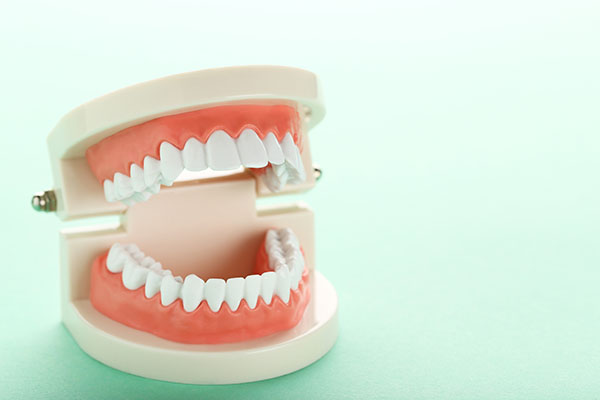
When natural teeth are no longer healthy, it is occasionally necessary to get dentures. Although it is not always pleasant, adjusting to new dentures does not have to be traumatic. Understanding the facts about dentures can help dispel common myths that may cause anxiety and help make the transition to using this type of artificial teeth go smoothly.
4 common denture myths and uncovering the truth behind them
Dispel these popular rumors and start adjusting to new dentures quickly.
1. Dentures make it difficult to eat
There are two reasons people find it difficult to eat with dentures. The first is the dentures do not fit properly. When dentures are not fit precisely to the teeth, it can cause them to slip or become loose while eating. The second reason is people try to eat hard or sticky foods too soon after getting dentures before the apparatus has had time to completely contour to the shape of the mouth. Start by taking smaller bites of soft food and work up to the foods that are more difficult to chew. Use a small dab of denture adhesive to stabilize them if necessary.
2. Plaque does not build up on dentures
Dentures are not only vulnerable to plaque buildup but also to stains and odors. Dentures should be soaked and rinsed regularly, as well as brushed with a denture toothbrush. It is also important to clean the following areas of the mouth with a soft-bristled toothbrush or gauze:
- Inside of the cheeks
- Palate
- Tongue
- Any remaining natural teeth
The abrasives in toothpaste can damage dentures, so avoid using them during the cleaning process. If the mouth is not cleaned regularly, bacteria from food and beverages can still damage the mouth.
3. Speech or a smile will be affected by dentures
A dental professional will typically match the new dentures to any remaining teeth so the look is as natural as possible. Because the dentures will not match the missing teeth completely, the teeth can look slightly different than the natural ones being replaced. This difference is typically subtle and should not noticeably impact speech or a smile.
4. Dentures should feel comfortable quickly
Getting even a small filling in a tooth can require an adjustment period. Replacing one or more teeth will feel different for a while. The dentures will need time to contour completely to the shape of the mouth and gums, and the tongue and gums will have to get used to the feel of the new dentures. Although a short adjustment period is to be expected, it should not take longer than two weeks for new dentures to feel natural.
Conclusion
Although adjusting to new dentures may not happen overnight, it can be a smooth transition if a patient is well-prepared for the treatment plan. Understanding the truth behind common myths can help people feel more comfortable with both the procedure of getting new dentures as well as when going through the initial adjustment period.
Request an appointment or call Dr. Charles Arp, DDS & Dr. Smriti Bajaj, DMD at 404-682-2887 for an appointment in our Atlanta office.
Related Posts
Adjusting to new dentures may seem intimidating, but it is easy if you take an informed approach. There is little to worry about as long as you begin your journey with the right set of knowledge and a positive attitude.If you have never worn them before, dentures can feel strange. Have no fear. Expect that…
Adjusting to new dentures can involve several changes to a person's routine. One thing that should stay the same, however, is regular dentist appointments. Here is what a new patient needs to know about the importance of dentist appointments and how often he or she needs to visit the dentist after receiving dentures.One commonly asked…
When adjusting to new dentures, a patient will likely have a long list of questions. Can dentures be slept in? How does wearing dentures change a person's oral hygiene routine? Here you will find the answers to these and more information about a nightly care routine for those who are adjusting to new dentures.When adjusting…